Second Sunrise Therapy PLLC
Lydia Storey-Lopez, MA, LPC, LAC * EMDRIA Certified * 25+ Years Experience
HOW I WORK

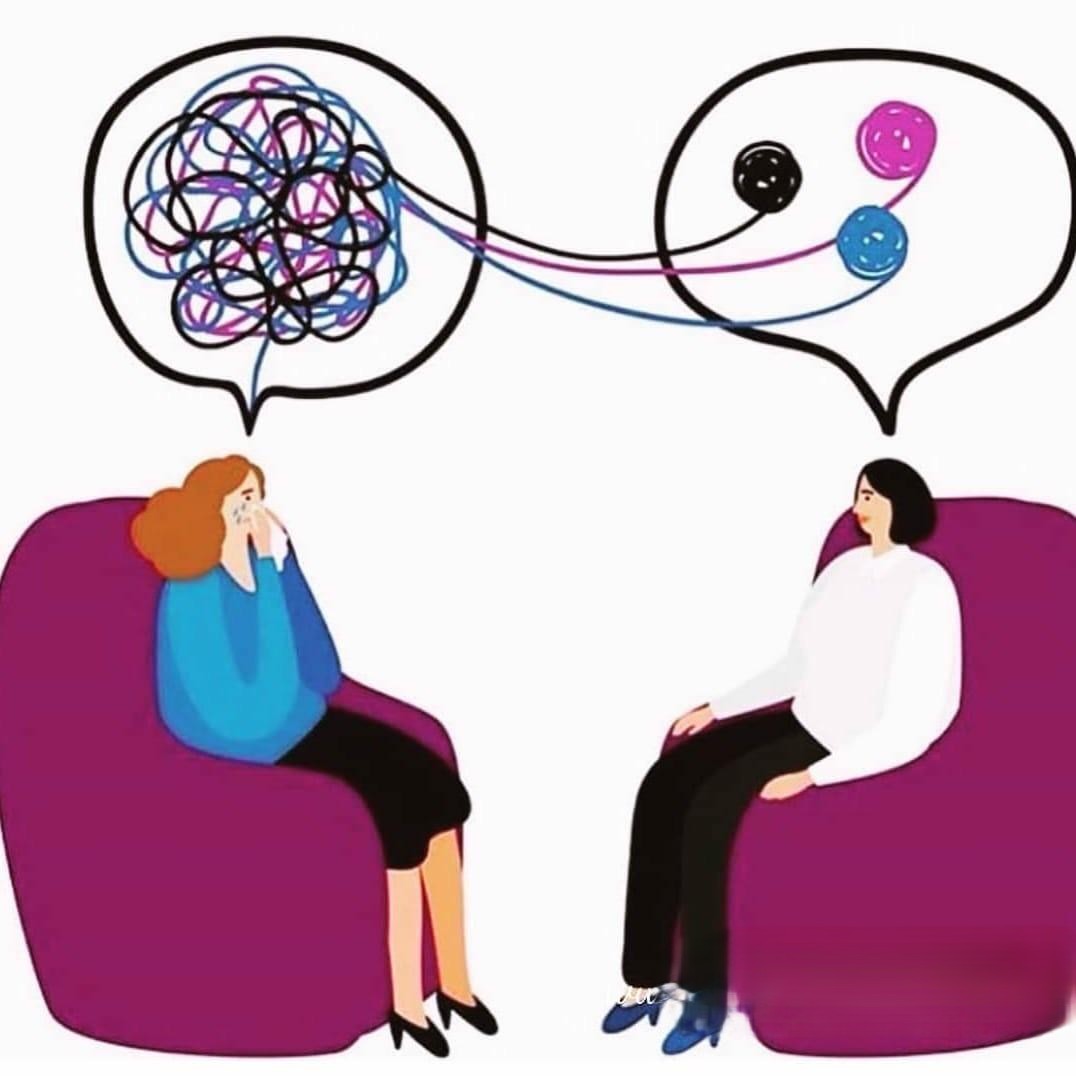
Making sense of what feels tangled.

Therapy is a place to slow things down, follow the threads, and make meaning from what has become tangled. We can work with the beliefs, emotions, body responses, relationships, and protective patterns underneath the symptom.

Therapist and client working through tangled thoughts together
THE SECOND SUNRISE TRAUMA RECOVERY MODEL

Healing is a journey—not a race.

My trauma-informed framework recognizes that healing can move through different stages. You may move forward, circle back, pause, or spend longer in one stage than another.

You don't have to start by telling the whole story. We begin where you are and move at a pace that allows the work to be useful rather than overwhelming.

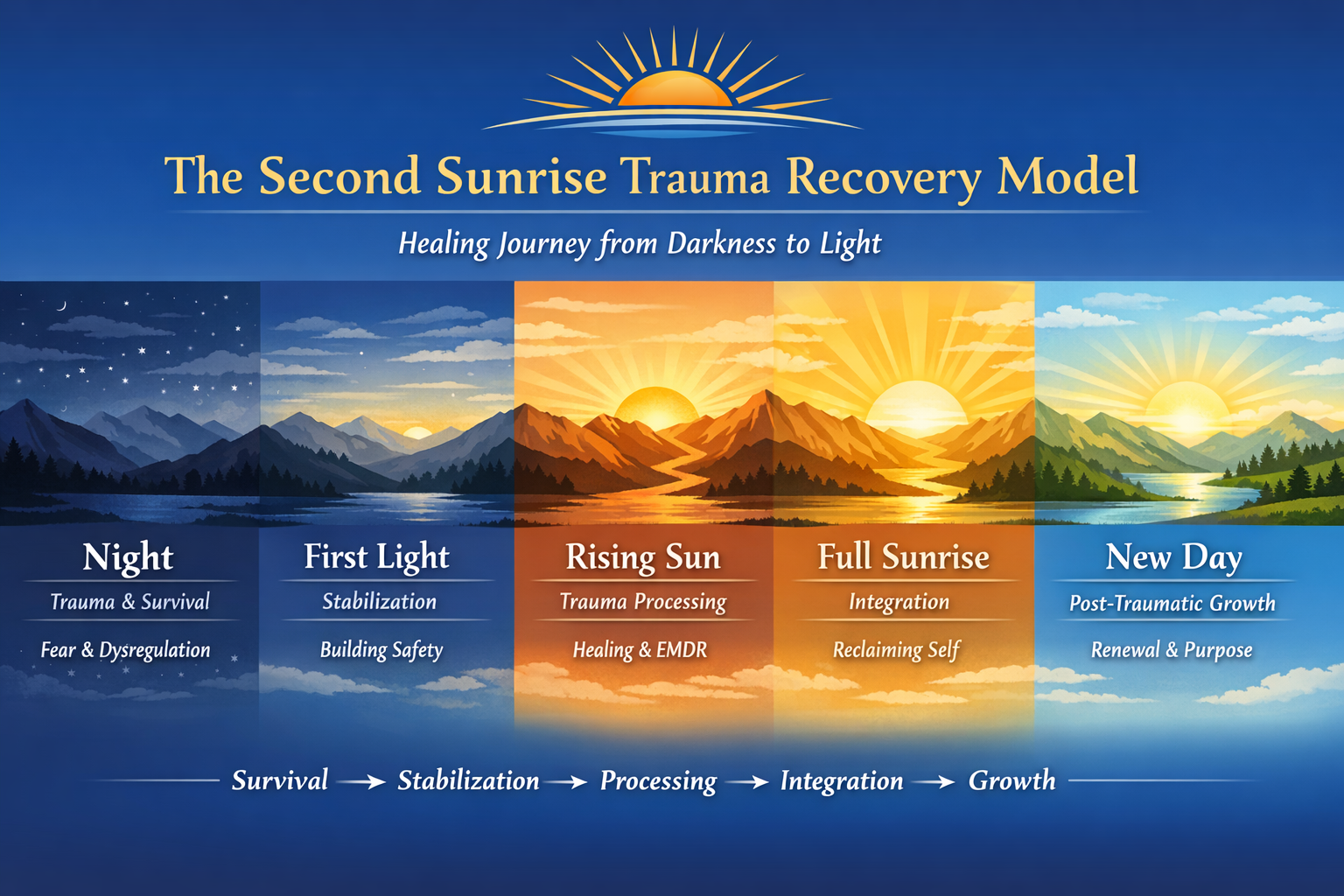
The Second Sunrise Trauma Recovery Model showing Night, First Light, Rising Sun, Full Sunrise, and New Day
Night

Trauma & Survival

Fear & Dysregulation

This is where survival takes center stage. Your system may be organized around threat, protection, avoidance, shutdown, hypervigilance, or simply getting through the day.

How we work: We begin with safety, understanding your responses, and building enough stability to help your system feel less alone and less on high alert.

First Light

Stabilization

Building Safety

Before deeper processing, we build enough safety and stability to make the work manageable. This can include nervous-system regulation, resources, boundaries, and learning to recognize what your system needs.

How we work: We strengthen grounding, regulation, boundaries, and coping resources before asking you to go deeper than your system is ready for.

Rising Sun

Trauma Processing

Healing & EMDR

This is where experiences that still feel present can begin to be processed. Depending on what fits you, this may include EMDR, parts/ego-state work, or other trauma-focused approaches.

How we work: We turn toward what hurts without forcing the process, working with experiences, beliefs, emotions, and body responses that still shape the present.

Full Sunrise

Integration

Reclaiming Self

Understanding what happened is only part of healing. Integration means making room for the experience without allowing it to define your entire identity or dictate your present.

How we work: We connect insight with emotions, body awareness, relationships, values, and choices so change can become something you can actually live.

New Day

Post-Trauma Growth

Renewal & Purpose

Growth doesn't mean being grateful for trauma. It means discovering what becomes possible when survival is no longer the only thing your system knows how to do—and there is more room to heal and thrive.

How we work: We focus on what becomes possible now—greater choice, meaningful connection, self-trust, and a life guided by what matters most to you.

HEALING IS NOT LINEAR

You don't have to move through these stages in order.

You may move forward, pause, circle back, or spend a long time in one stage. Sometimes what feels like going backward is actually your system asking for something that wasn't ready to be addressed before.

APPROACHES I MAY USE

Tools that support healing and change.

I draw from several evidence-informed approaches and integrate them according to your goals, history, needs, and pace. The goal is not to fit you into a method, but to use what helps you heal, find relief, and move toward the life you want.

EMDR

EMDR is a structured trauma-focused approach that can help when an experience feels as though it is still happening in the present. Rather than requiring you to explain every detail repeatedly, the work focuses on the memories, beliefs, emotions, body sensations, and patterns that remain connected to what happened. We move at a pace that supports safety and readiness.

Parts / Ego State Work

Sometimes different parts of us develop around different experiences, needs, fears, and protective strategies. Parts work helps you become curious about those internal responses rather than fighting or judging them. The goal is greater understanding, cooperation, self-compassion, and choice—not getting rid of parts of yourself.

Nervous-System Regulation

Stress and trauma can affect how the body responds long after the original circumstances have changed. We pay attention to signs of activation, shutdown, tension, overwhelm, and difficulty settling, then build practical ways to recognize and work with those responses. This can create a stronger foundation for deeper therapeutic work.

Acceptance & Commitment Therapy (ACT)

ACT focuses on psychological flexibility: learning to make room for difficult thoughts and feelings without letting them make every decision for you. We explore your values and what matters most so that change is connected to the life you actually want to live. The goal is not to eliminate discomfort, but to build freedom and meaningful action alongside it.

Cognitive Behavioral Therapy (CBT)

CBT helps us examine the relationship among thoughts, emotions, behaviors, and patterns of interpretation. Together we can identify habits of thinking or responding that keep distress going and experiment with more useful alternatives. I use CBT as one tool within a broader, individualized approach rather than as a one-size-fits-all formula.

Motivational Interviewing

Change is rarely as simple as knowing what you should do. Motivational Interviewing creates space to explore ambivalence, competing needs, values, strengths, and readiness without pressure or judgment. It helps you identify your own reasons for change and make choices that feel genuinely yours.

Client-Centered Therapy

The therapeutic relationship matters. Client-centered work emphasizes empathy, respect, authenticity, collaboration, and a genuine effort to understand your experience from your perspective. You are not a problem to solve; your experience remains central to how we decide what the work needs to be.

Trauma-Informed Therapy

A trauma-informed approach recognizes that symptoms and patterns often make sense in the context of what a person has lived through. Safety, choice, pacing, collaboration, and attention to the nervous system are woven throughout the work. We do not have to force disclosure or processing before you are ready.

HOW I USE THE MODEL

The model isn't a checklist.

I don't use the Second Sunrise Trauma Recovery Model to decide where you should be. I use it as a way of asking: What does your system need right now to heal and move toward thriving?

Sometimes that means stabilization. Sometimes it means processing. Sometimes it means understanding a protective pattern that has been running the show for years.

What becomes possible when healing is no longer just about surviving?

Healing is the beginning. Thriving is what becomes possible.

You don't have to know exactly where you are in the journey before reaching out.

See If We're a Good Fit